#1 Online Quran Academy
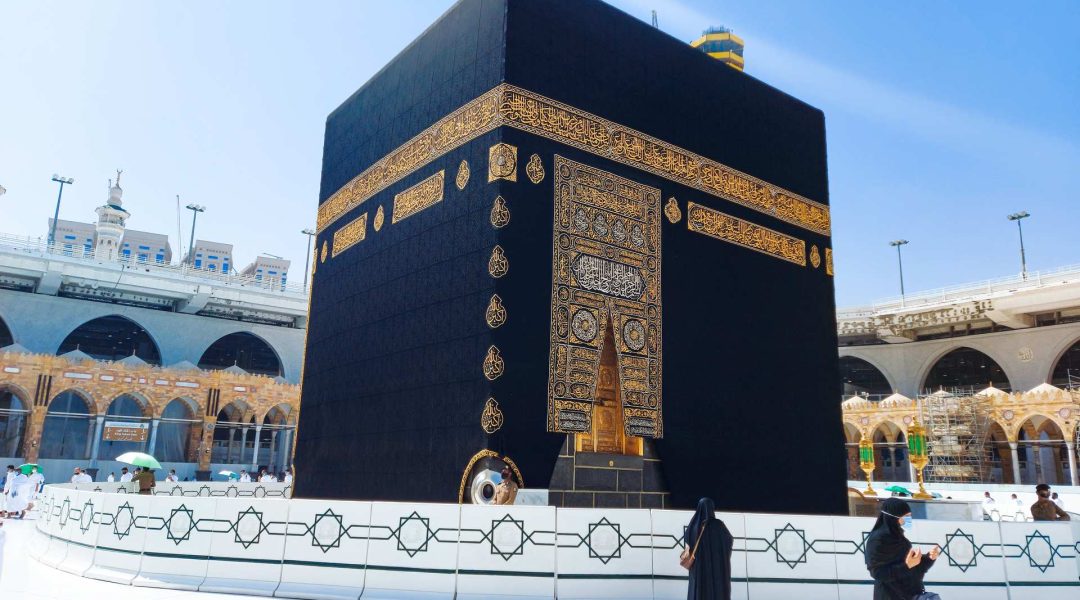
The 5 Pillars of Islam are the core practices that shape the faith, worship, character, and daily life of every Muslim. These pillars are not only religious duties, but also a complete framework for building a strong relationship with Allah, living with discipline, serving others, and preparing for the Hereafter.
Islam teaches that faith should be reflected through belief, worship, charity, self-control, and devotion. The five pillars help Muslims practice their religion in a clear and balanced way. They include Shahada, Salah, Zakat, Sawm, and Hajj. Each pillar has its own purpose, but together they create a strong foundation for Islamic life.
The 5 Pillars of Islam are the basic acts of worship and commitment that every Muslim should understand and practice. They are:
These pillars guide Muslims in their belief, actions, and responsibilities. They connect a person with Allah and also encourage kindness, equality, patience, and social care.
Shahada is the first and most important pillar of Islam. It is the declaration that there is no god worthy of worship except Allah, and Prophet Muhammad is the Messenger of Allah. This statement is the foundation of Islamic belief.
By accepting Shahada, a person enters Islam and commits to worshipping Allah alone. It teaches Muslims to live with sincerity, avoid false beliefs, and follow the guidance given through the Quran and the teachings of the Prophet Muhammad ﷺ.
Shahada is not only a sentence spoken by the tongue. It is a belief that should be reflected in actions, decisions, and lifestyle. A Muslim who understands Shahada knows that Allah is the Creator, Provider, and Sustainer of everything. This belief brings purpose, direction, and peace to life.
Salah is the second pillar of Islam and one of the most important daily acts of worship. Muslims pray five times a day at specific times: Fajr, Dhuhr, Asr, Maghrib, and Isha. These prayers help Muslims stay connected with Allah throughout the day.
Salah is more than a physical act. It includes recitation, standing, bowing, prostration, and sitting in devotion. Each movement shows humility and submission before Allah. Through prayer, Muslims seek guidance, forgiveness, strength, and peace.
The five daily prayers also build discipline. They remind Muslims to pause from worldly activities and remember their Creator. No matter how busy life becomes, Salah keeps faith alive in the heart. It also creates spiritual balance and helps protect a person from harmful actions.
Zakat is the third pillar of Islam. It is a required form of charity given by eligible Muslims to help the poor, needy, and deserving people. Zakat means purification and growth. By giving a portion of wealth, Muslims purify their earnings and support the community.
Islam teaches that wealth is a blessing from Allah and should not be used only for personal comfort. Zakat encourages generosity, reduces greed, and reminds people of their responsibility toward others.
Zakat helps build a fair and caring society. It supports people who are struggling with poverty, debt, hardship, or basic needs. It also creates love and unity between different members of the community. For the giver, Zakat brings spiritual reward and reminds them that true success is not only in earning wealth, but also in using it correctly.
Sawm is the fourth pillar of Islam. It refers to fasting during the month of Ramadan. From dawn until sunset, Muslims avoid food, drink, and marital relations. However, fasting is not only about staying hungry or thirsty. It is a complete spiritual training.
Ramadan teaches patience, self-control, gratitude, and compassion. When Muslims fast, they become more aware of the blessings they often take for granted. They also develop empathy for people who face hunger and hardship every day.
Fasting helps purify the heart and strengthen faith. During Ramadan, Muslims increase their worship, recite the Quran, make dua, give charity, and seek forgiveness. It is a month of mercy, reflection, and spiritual renewal.
Sawm also teaches discipline over desires. A fasting person learns to control anger, avoid bad speech, stay away from sins, and focus on becoming a better Muslim. This makes Ramadan a powerful opportunity for personal and spiritual growth.
Hajj is the fifth pillar of Islam. It is the pilgrimage to Makkah, performed once in a lifetime by Muslims who are physically and financially able. Hajj takes place during the Islamic month of Dhul Hijjah and includes specific rituals taught in Islam.
Hajj is a powerful symbol of unity, equality, and submission to Allah. Muslims from every country, race, and background gather in the same place, wearing simple clothing and worshipping one Creator. This reminds believers that all people are equal before Allah.
The journey of Hajj teaches sacrifice, patience, humility, and repentance. It reminds Muslims of the Day of Judgment, when every person will stand before Allah. For many Muslims, Hajj becomes a life-changing experience that strengthens faith and renews commitment to Islam.
The 5 Pillars of Islam are important because they provide structure to a Muslim’s faith and daily life. They help believers worship Allah correctly, stay spiritually connected, and live with purpose.
These pillars also create balance between personal worship and social responsibility. Salah builds a direct relationship with Allah. Zakat supports society. Sawm develops self-control. Hajj teaches unity and humility. Shahada gives meaning to all other actions.
Together, the five pillars help Muslims become more disciplined, grateful, generous, patient, and faithful.
Islam is not limited to rituals. It teaches good character, honesty, kindness, patience, and responsibility. The five pillars help develop these qualities in practical ways.
A Muslim who understands and practices these pillars becomes more conscious of Allah and more caring toward people.
The five pillars are not disconnected from daily life. They influence how Muslims think, speak, work, behave, and interact with others.
A person who believes in Shahada tries to make choices that please Allah. A person who prays regularly becomes more mindful of actions. A person who gives Zakat learns to care about others. A person who fasts becomes more patient and grateful. A person who performs Hajj understands humility and unity at a deeper level.
In this way, the 5 Pillars of Islam create a complete lifestyle based on worship, morality, and service.
The 5 Pillars of Islam are the foundation of Muslim belief and practice. They guide Muslims toward a life of faith, worship, discipline, generosity, patience, and unity. Each pillar plays an important role in strengthening the relationship between a believer and Allah.
Understanding the five pillars helps Muslims practice Islam with more meaning and sincerity. They are not just obligations, but blessings that shape the heart, improve character, and bring peace to life.
By following Shahada, Salah, Zakat, Sawm, and Hajj, Muslims build a strong spiritual foundation and move closer to living a life that pleases Allah.

Tajweed Classes is an online Quran academy offering expert tutors, personalized lessons, and flexible schedules for learners worldwide.